
Reuters | May 20, 2025 | 7:27 am Critical Minerals Africa USA Specialty Minerals Tin Tungsten
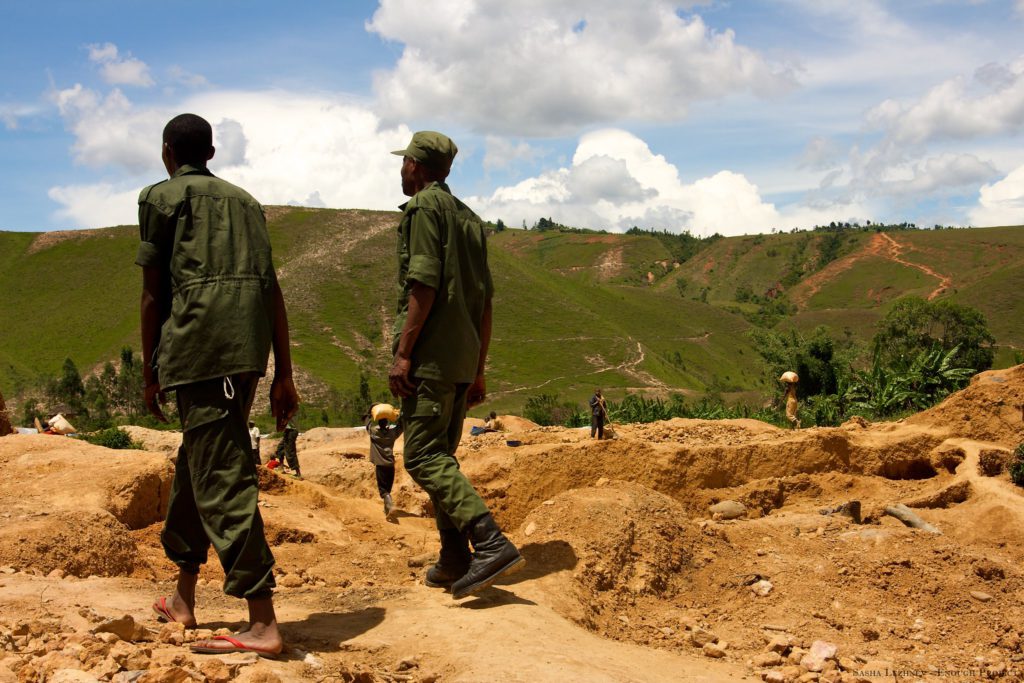
Congolese minerals such as tungsten, tantalum and tin, which Kinshasa has long accused neighbouring Rwanda of illegally exploiting, could be exported legitimately to Rwanda for processing under the terms of a peace deal being negotiated by the US, three sources told Reuters.
Kinshasa views the plundering of its mineral wealth as a key driver of the conflict between its forces and Rwanda-backed M23 rebels in eastern Congo that has intensified since January, accusing Kigali of smuggling tens of millions of dollars worth of minerals over the border each month to be sold from Rwanda.
A US State Department spokesperson said that in a declaration signed in Washington last month, Congo and Rwanda had committed to creating “transparent, formalized, and licit end-to-end mineral value chains (from mine to processed metal) that link both countries, in partnership with the US government and US investors.”
Gates, Bezos-backed critical minerals explorer to ‘go big’ on Congo – report
Details of the exact scale of investments, and who would be making them, are as yet unclear, but Boulos told Reuters last week that US officials had engaged with “probably up to 30” US investors about “doing business in Rwanda in the mining space,” including downstream processing activities.
He said separately that the US International Development Finance Corporation – a body tasked with mobilizing private capital to further US foreign policy and national security goals, offering support like debt financing – would “provide full support on these transactions and investments”.
The region’s long history of violence underscores the risk that any companies taking the leap could be exposed to losses.
Root causes
The minerals projects alone won’t halt a conflict that stretches back to the 1994 Rwandan genocide, the sources said.
“A mining agreement cannot bring peace. These projects will take three, five or 10 years,” another diplomat said. “There are immediate problems and root causes that need to be addressed.”
Congo, the UN and the US have repeatedly accused Rwanda of profiting from the illegal exploitation of Congolese mineral resources, allegations Kigali denies.
A previous attempt to foster deeper official mining cooperation between Rwanda and Congo four years ago failed.
Too many ESGs, too little clarity: Challenges to Africa’s critical minerals sector
In June 2021, the two sides signed deals including a memorandum on the joint exploitation and commercialization of Congolese gold between state-owned Sakima and private Rwandan firm Dither.
But Kinshasa suspended the deal in June 2022, citing Rwanda’s alleged military support for M23 and the rebel group’s capture of the strategic border town of Bunagana.
Rwanda has denied backing M23 but acknowledges deploying “defensive measures” in eastern Congo against Rwandan Hutu militias. Analysts say the most commonly cited group, the Democratic Forces for the Liberation of Rwanda, no longer poses much of a threat.
One diplomatic source said that from Kigali’s point of view, Kinshasa is not a reliable negotiating partner. “The collapse of the Sakima deal bothered them,” they said of Rwandan officials.
“Neither country trusts each other,” said William Millman, an independent consultant on the tantalum-niobium industry who has visited mines in both countries.
“So unless you’ve got somebody with a big club, like the United States, they’re not going to honour agreements.”
(By Sonia Rolley, Daphne Psaledakis and Andrew Mills; Editing by Robbie Corey-Boulet and Jan Harvey)

 madaraka.online