
By AFP Published on: October 26, 2025 08:28
EXECUTIVE SUMMARY –
Global competition for rare earth minerals has focused new attention on Kenya’s Mrima Hill, drawing interest from US, Chinese, and Australian actors and triggering fears among local Digo communities about eviction, environmental loss, and exploitation. While Kenya hopes mining reforms will attract investment and boost growth, residents remain divided between protecting their sacred forest and livelihoods and seeking financial gains from the mineral wealth.
Keywords:
Mrima Hill, Rare earths, Critical minerals, U.S.–China competition, Cortec Mining Kenya, Niobium, Community opposition, Environmental concerns, Mining licences, Digo community, Land speculation, Mining reforms, Resource governance, Cortec, Pacific Wildcat Resources
AFP was initially barred access to the forest.
“People come here with big cars… but we turn them away,” said Koja.
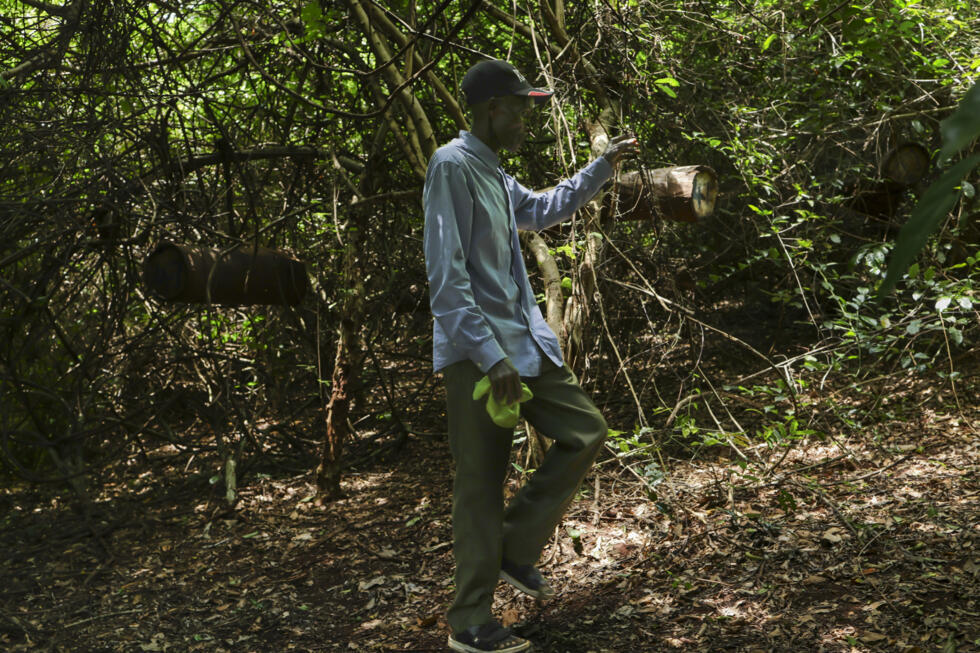
His stance stems from past encounters with prospective investors — a process he says was not transparent.
“I do not want my people to be exploited,” he said.
Kenya revoked a mining licence in 2013 that had been granted to Cortec Mining Kenya, citing environmental and licensing irregularities.
Cortec claimed in court that the licence was revoked after it refused to pay a bribe to then–mining minister Najib Balala, an allegation he denied. The company lost multiple legal efforts over the revocation.
In 2019, Kenya imposed a temporary ban on new mining licences over concerns about corruption and environmental degradation.
But it now sees a major opportunity, particularly as China — the biggest source of rare earths — increasingly limits its exports.
Kenya’s mining ministry announced “bold reforms” this year, including tax breaks and improved licensing transparency, aimed at attracting investors and boosting the sector from 0.8 percent of GDP to 10 percent by 2030.
Daniel Weru Ichang’i, a retired economic geology professor at the University of Nairobi, said Kenya had a long way to go, especially in gathering reliable data on its resources.
“There’s a romantic view that mining is an easy area, and one can get rich quickly… We need to sober up,” he told AFP.
“Corruption makes this area, which is very high-risk, less attractive to invest in.”
Competition between the West and China is driving up prices, but if the country wants to profit, it “must stick to the law, and individual interests must be subjugated to that of the nation,” he said.
‘Mrima is our life’
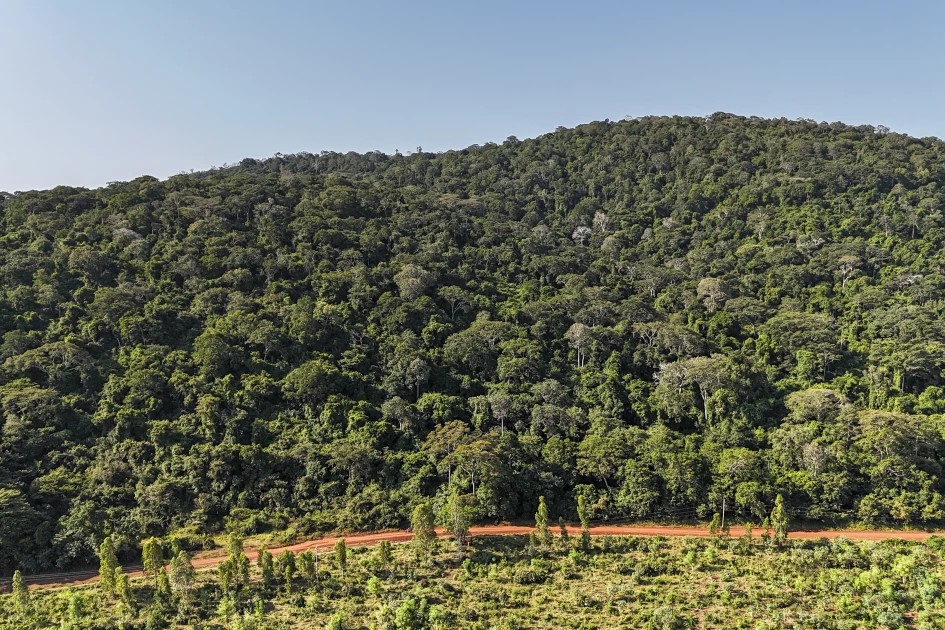
On Mrima Hill, locals worry for their livelihoods, sacred shrines, medicinal plants, and the forest they have known all their lives.
“This Mrima is our life… Where will we be taken?” said Mohammed Riko, 64, vice chairman of the Mrima Hill Community Forest Association.
Koja is concerned about the loss of unique indigenous trees like the giant orchid, already a problem before mining has even started.
“In my heart I am crying. This Mrima has endangered species that we are losing,” he said.
But others, like Domitilla Mueni, treasurer of the Mrima Hill association, see an opportunity.
She has been developing her land — planting trees, farming — in order to push up the value when mining companies come to buy.
“Why should we die poor while we have minerals?” she said.
© 2025 AFP
SOURCE: https://www.citizen.digital/article/global-powers-eye-rare-earths-at-kenyas-mrima-hill-n371950
See also: Case Study in Kenya: The Titanium Issue
MADARAKA: The Poor Shall Inherit the Earth, Including Its Natural Resources

 madaraka.online