

EXECUTIVE SUMMARY –
Residents in Ikolomani, Kakamega County blocked the Sigalagala–Musoli Road to protest a planned public participation meeting on newly discovered large-scale gold deposits, citing fears of land evictions, inadequate compensation, and environmental harm. Mining CS Hassan Joho assured the community that they will directly benefit from the Shanta Gold project through royalties, a 1% gross revenue share, and a community-managed development fund.
Keywords:
Kakamega, Ikolomani, gold mining, protests, land evictions, compensation, environmental concerns, Shanta Gold, benefit-sharing, royalties, public participation, Kenya.
Capital FM (Nairobi) By Correspondent
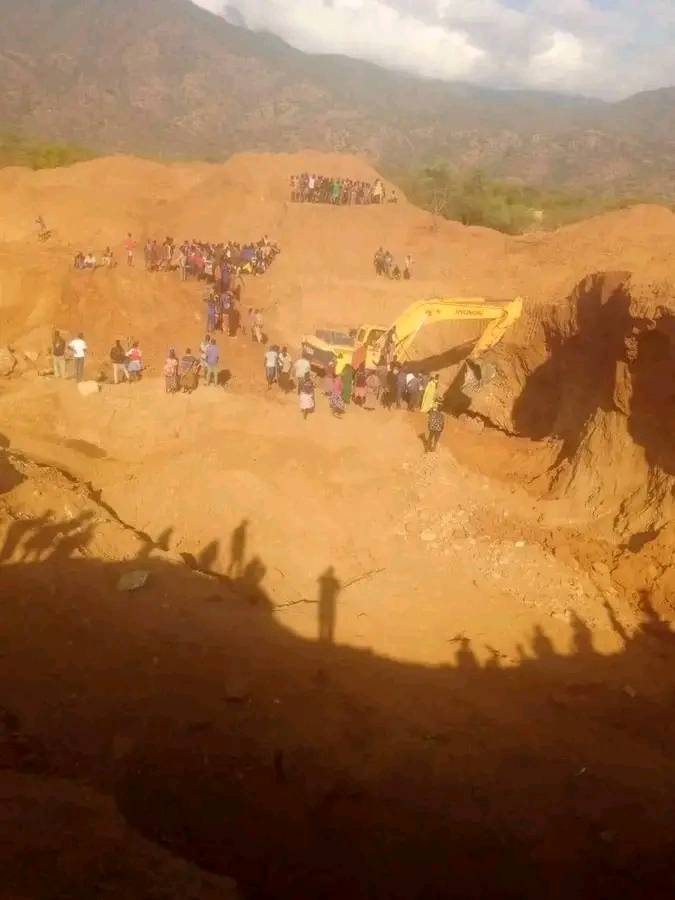
Nairobi — Traffic along the Sigalagala-Musoli Road in Ikolomani, Kakamega County has been disrupted, as residents protest a planned public participation meeting which is intended to discuss recently identified large-scale gold deposits in the region.
The residents have barricaded themselves using stones and setting a bonfire at the market centre, causing disruptions to traffic in the area.
Preliminary assessments indicate confrontations between local residents and police officers deployed to manage the situation.
Residents have expressed concerns over potential land evictions, inadequate compensation, and environmental impacts that could arise from mining activities.
Motorists are advised to exercise caution when approaching the affected area and seek alternative routes where possible.
Mining Cabinet Secretary Hassan Joho in November assured residents of Ikolomani that they will directly benefit from the recently discovered gold deposits valued at Ksh680 billion by a British mining company, Shanta Gold Limited.
According to Joho, 10% of the royalty proceeds will also be allocated to the local community. This portion, he said, will be used for development projects identified and prioritised by residents themselves.
He emphasised that residents will have a say in how the proceeds from the mineral wealth are utilised.
“There are two ways this can go: either the landowners lease their land to the company or they negotiate for an outright purchase, as we have seen in other areas. Then there’s the larger community, which will enter into an agreement with the investor,” Joho explained.
Joho detailed how the benefit-sharing model will work, saying the community will elect representatives who will be formally recognised by the government through gazetting.
“The community sits down and chooses its leaders; we recognise them officially, then they open a bank account that they manage themselves. From the mine’s gross revenue, 1% will go directly to the community, separate from the royalty, export levy, and the mining development levy,” Joho said during a television interview.

 madaraka.online