
EXECUTIVE SUMMARY –
Liberia’s House of Representatives approved the Ivanhoe Atlantic mining concession despite expert and civil society warnings that it was rushed, opaque, and potentially violates the Liberia–Guinea Cross-Border Concession Agreement, risking loss of sovereignty, revenue, and leverage over shared infrastructure. The article urges the Senate to rigorously review or amend the deal to prevent debt exposure, governance failures, strained relations with Guinea, and a dangerous precedent for exploitative extractive agreements.
Keywords: Liberia, Ivanhoe Atlantic, mining concession, Cross-Border Concession Agreement (CCA), Guinea, transparency, legislative oversight, sovereignty, infrastructure, debt risk
– As Liberia risks debt, dirt roads, amid contagious Conakry silence
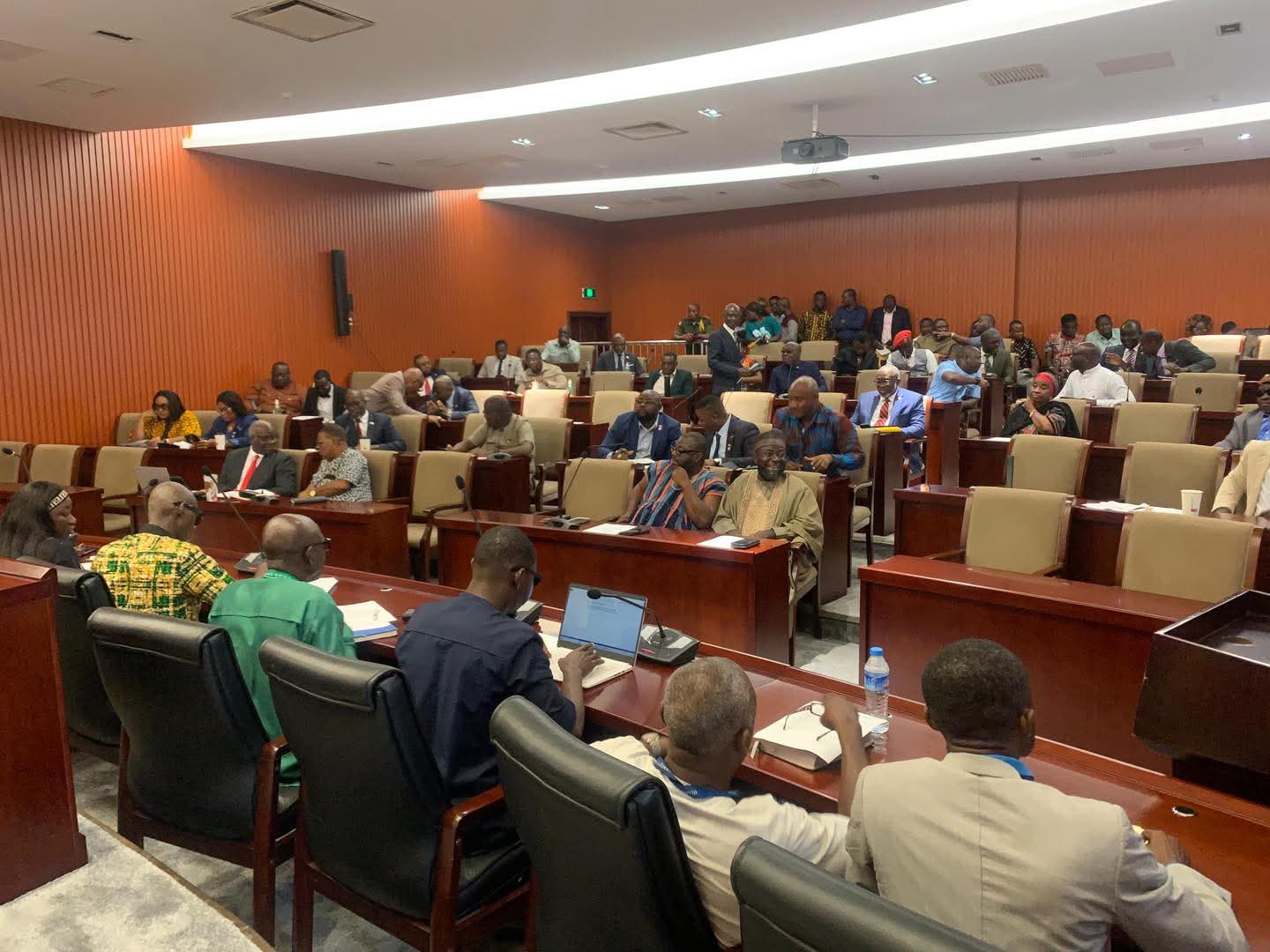
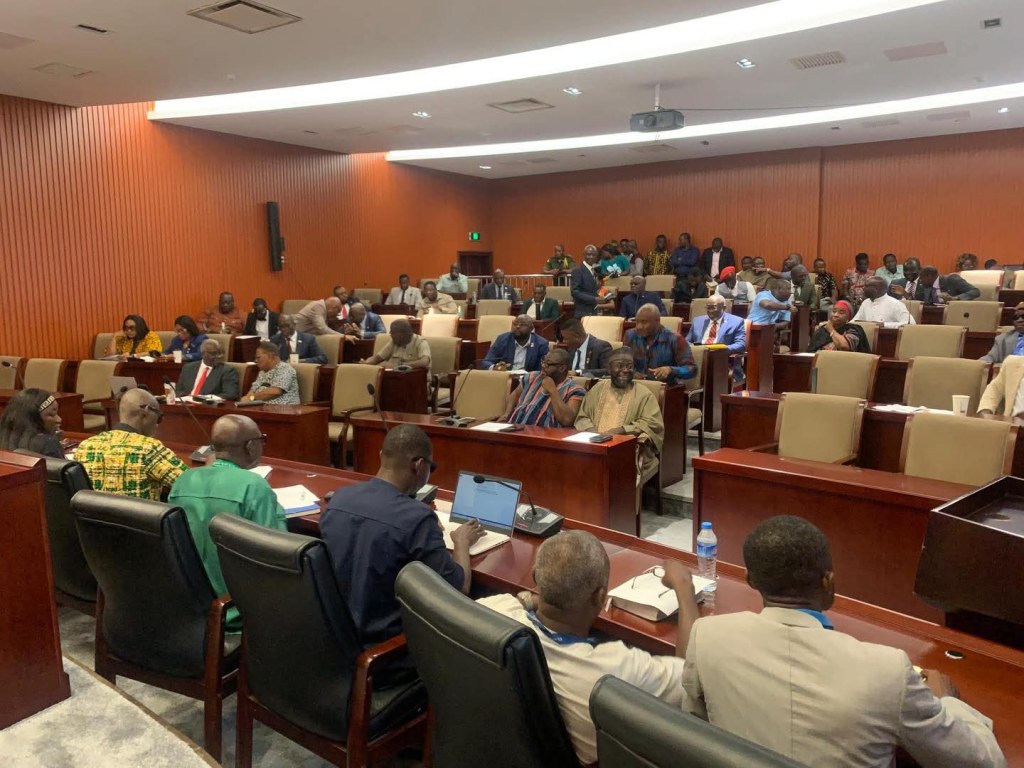
The House of Representatives last week approved the Ivanhoe Atlantic mining concession, despite numerous warnings from experts, civil society organizations, and even some of its own members.
This decision, made without significant reservations, raises serious questions about the legislative process and the potential risks it poses to Liberia’s national interests.
The deal was rushed through with minimal scrutiny. From the day it was sent to the Legislature, it raised red flags about its compliance with the implementation agreement between Liberia and Guinea, Guinea’s conspicuous silence on the deal, and the transparency of its revenue-sharing structure.
Nimba County senator Nya Twayen also publicly insisted that the haulage corridor from Nimba to the Guinea border must be fully paved rather than left as unpaved laterite, and that Liberia must not be made liable to repay a reported US$37 million advance payment due to delays in ratification. He has also demanded that the agreement include a clear governance framework involving Liberia, Ivanhoe, and ArcelorMittal, and that the Community Development Fund be stated in the concession.
Experts have repeatedly highlighted that the deal could undermine Liberia’s standing with Guinea over its natural resources and lead to a loss of control over crucial sectors of the economy.
One of the most serious concerns with the Ivanhoe deal is its apparent violation of the Cross-Border Concession Agreement (CCA), a framework established between Liberia and Guinea. The CCA was designed to regulate the transportation of iron ore across borders and ensure that all cross-border mining projects respect the sovereignty of both nations. Under the terms of this agreement, any cross-border mining operations must be jointly approved by both governments, and the terms of such contracts should align with national interests, ensuring both countries benefit equally from shared resources.
However, the Ivanhoe deal bypasses key provisions in the CCA, particularly those regarding joint operational agreements and the shared infrastructure needed for the transportation of iron ore across the Guinea-Liberia border. The CCA stipulates that any project of this scale must have transparent negotiations between the two governments to guarantee that Liberia’s interests are safeguarded.
The Ivanhoe deal appears to have circumvented these critical steps, raising serious questions about its transparency and fairness.
Furthermore, the deal’s potential to provide an alternative route that bypasses established cross-border infrastructure raises concerns that Liberia may lose its leverage in negotiating mining rights. This could allow Guinea to extract greater economic benefits from the shared corridor, potentially leaving Liberia with fewer benefits from the extraction and transport of iron ore resources.
Concerns about the deal were raised during committee discussions, with warnings regarding Ivanhoe’s ties to foreign state-linked entities and potential conflicts of interest. Despite these concerns, the House of Representatives moved forward with the approval, disregarding the need for a more thorough examination of the agreement. This hasty action sets a dangerous precedent, one that could have long-term consequences for the country’s mining sector and overall governance.
Now, the ball is in the Senate’s court. The upper chamber has the power to review, amend, or reject the agreement, and it must take this responsibility seriously. The Senate should not blindly follow the actions of the House but should instead conduct a rigorous review of the deal’s terms. A failure to properly scrutinize the Ivanhoe deal would risk undermining Liberia’s legal and economic sovereignty, damage investor confidence, and create a framework for future exploitation of the country’s resources.
Liberia cannot afford to take shortcuts in its mining sector. Previous poor agreements in the extractive industries have led to lost revenue, environmental destruction, and social unrest–issues Liberia can ill afford to repeat. The Senate must take this opportunity to restore trust in the country’s legislative process and safeguard the nation’s future.
The Ivanhoe deal, if allowed to proceed without proper oversight, would set a dangerous precedent that could pave the way for future exploitative agreements. Liberia’s railway infrastructure belongs to the people, and the Senate must ensure that any mining concession works in the nation’s best interests. Full transparency, accountability, and public engagement are essential steps before moving forward with such a significant agreement.
As the Senate prepares to deliberate on this issue, it must prioritize the long-term welfare of Liberia, including its relationship with Guinea, over any short-term political or economic pressures. The future of the country’s mining sector depends on careful, deliberate decision-making that considers not only immediate gains but also the protection of Liberia’s resources, environment, and citizens for generations to come.
SOURCE: https://www.thenewdawnliberia.com/red-flags-ignored-ivanhoe-deal-advances/

 madaraka.online